


Epiphany: The Light That Appears and the World It Illuminates?
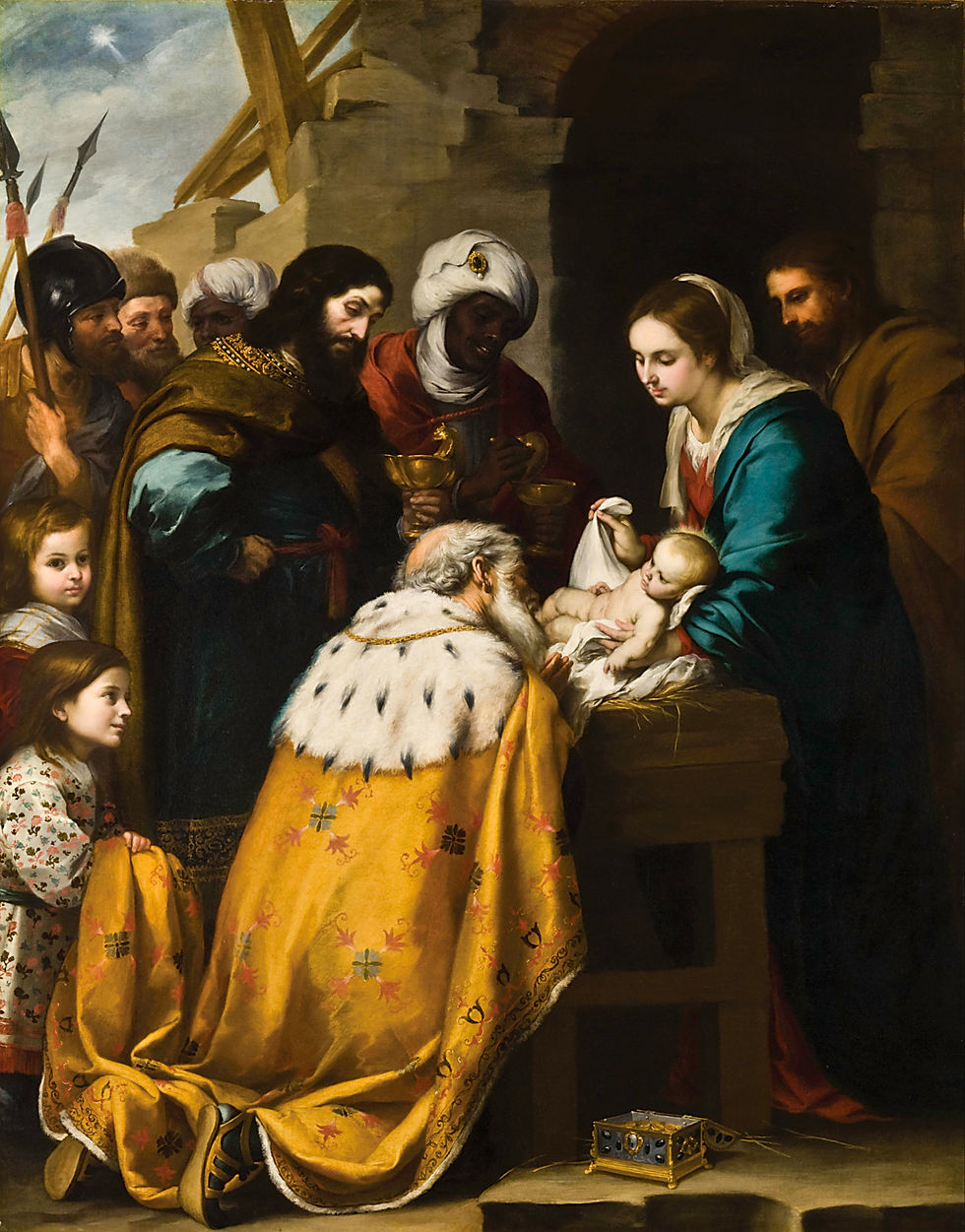
Epiphany: The Light That Appears and the World It Illuminates
Epiphany is no mere holiday footnote, no decorative end to the Christmas twelve days. It is the manifestation of God in Christ to those who stood outside the covenant—Gentiles drawn by a star, kings bearing gifts that confess both royalty and sacrifice. The word itself, epiphaneia, rings with the weight of appearance, unveiling, the sudden breaking forth of what was hidden. On January 6 (or the Sunday nearest), the church pauses to remember not only the Magi kneeling in the dust of Bethlehem but the deeper logic of God’s self-revelation: the light that shines in darkness does not remain distant. It enters the world to make the world luminous.
In the Western church, Epiphany fixes on Matthew 2: the star, the journey from the East, the gold for a king, frankincense for divinity, myrrh for the tomb already shadowing the cradle. Here is the first unmistakable sign that the promises to Abraham reach beyond Abraham’s seed. The nations come to Zion not as conquerors but as worshippers, fulfilling Isaiah’s ancient oracle: “Nations shall come to your light, and kings to the brightness of your rising” (Isa 60:3). The child in the manger is already the light of the world, and the Magi are the firstfruits of the Gentiles who will one day fill the courts of the new Jerusalem.
Yet Eastern Christians turn the feast toward Theophany, the baptism in the Jordan. There the heavens are rent, the Spirit descends as dove, and the Father’s voice declares, “This is my beloved Son.” The waters tremble; creation itself recoils and rejoices. John the Baptist, last of the prophets, stands as witness while the eternal Son submits to the rite of sinners. Epiphany here is Trinitarian drama: the Father speaks, the Son stands in the river, the Spirit hovers. God appears not in isolated splendor but in relational fullness, drawing humanity into the divine life.
Both traditions converge on the same mystery. Whether in the starlit stable or the baptismal waters, God manifests Himself not to dazzle from afar but to draw near, to incorporate. The Magi bring gifts; Jesus receives baptism. In both, the outsider is welcomed, the stranger made kin.
Epiphany is never static revelation; it is always vocational. The light appears so that those who see it may themselves become bearers of light. “Arise, shine,” Isaiah cries, “for your light has come” (Isa 60:1). The church hears the command in Epiphany season: receive the epiphany, then become one.
At epiphany may an ancient blessing descend on your home “Christus mansionem benedicat.” May Christ bless this house. Epiphany invades the domestic, marks the threshold, declares that the manifestation in Bethlehem extends to every doorway.
As the days lengthen after midwinter solstice, Epiphany reminds us that history moves toward light, not away from it. The child grows, the light spreads, the nations stream in. Pentecost completes what Epiphany begins: the Spirit poured out so that the church becomes the ongoing epiphany of the ascended Lord. Jesus came and left, but He did not leave the world in darkness. He sent the Paraclete to make His presence permanent, diffusive, worldwide.
In this season, then, the church does not merely remember an event two millennia past. She participates in the ongoing unveiling. The light has appeared. Now it must shine through us—through our words, our hospitality, our worship, our courage in shadowed places. For the God who manifested Himself in a manger and a river intends nothing less than to manifest Himself in a people made radiant.
Arise, shine. Your light has come.


Comments